Meta Ads for Local Business: Funnel Math and AI Testing
Meta ads for local business fail when the funnel math is skipped. Here is how I set target cost per lead, test AI creative fast, and turn clicks into booked jobs.
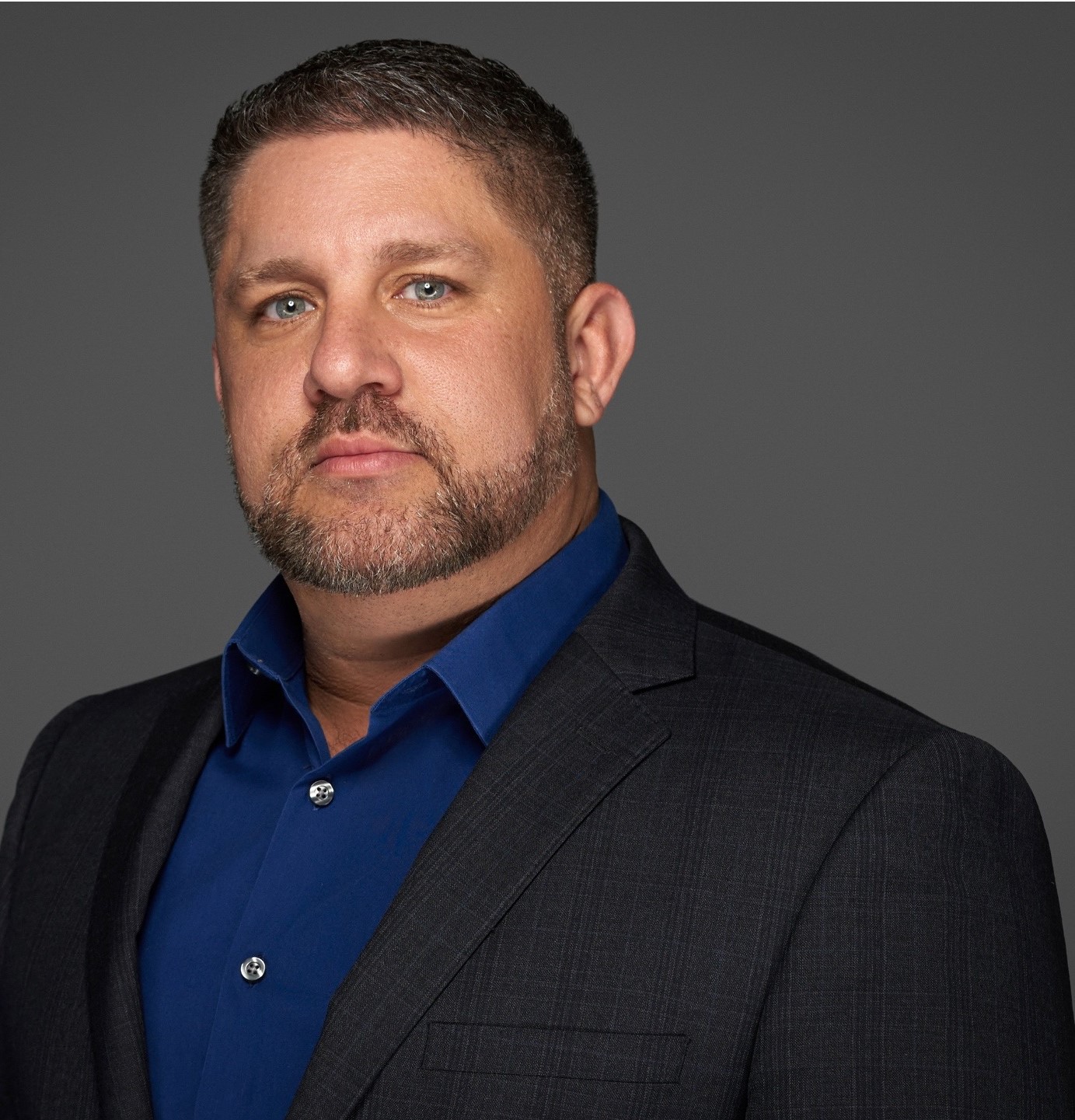 By Shane SantaCroce
Last updated:
Most local business owners I talk to have tried Meta ads for local business at least once. The story is almost always the same. They boosted a few posts, spent a couple thousand dollars, got some likes and a handful of messages that went nowhere, and concluded that Facebook and Instagram ads do not work for a plumber or a med spa or a roofing company. Here's the thing. The ads were never the problem. The math behind them was never done, and nothing was built to catch the leads when they showed up.
I have spent 25 years in digital marketing and I still run paid campaigns every week for local businesses. The ones that win treat Meta ads like a system with inputs and outputs they can measure, and they use AI to test faster than their competitors can. This is the playbook I actually use. Funnel math first, then creative testing, then the follow up machine that turns a click into a booked job.
Why Meta ads for local business usually fail
Look, nobody opens Instagram looking for a new HVAC company. They open it to kill ten minutes. Your ad has to earn attention, make an offer that is easy to say yes to, and hand the lead off to something that responds instantly. Miss any of those three and the campaign bleeds. The failures I see over and over:
- Boosting posts instead of running campaigns. Boosted posts optimize for engagement. You do not want engagement. You want a phone call or a form fill.
- No offer. "Call us for a free quote" is not an offer. Everyone gives free quotes.
- One ad, one audience, one week. You cannot learn anything from a single variable. Meta's algorithm needs volume and variety to find your buyers.
- Leads sit for hours. A lead that fills out a form at 7 PM and hears back at 10 AM the next day is gone. I covered the real numbers on this in what missed calls really cost your small business, and form leads are no different.
- Nobody knows the cost per booked job. They know cost per click, maybe cost per lead. They have no idea what a customer actually costs them, so they cannot tell a winning campaign from a losing one.
The funnel math you must do before you spend a dollar
I will not launch a campaign for any business until I can write out this chain on one line. You should not either.
Spend becomes clicks, clicks become leads, leads become appointments, appointments become closed jobs with an average ticket. Every arrow in that chain has a conversion rate, and the product of those rates tells you whether the campaign can ever work.
Work backwards from what a customer is worth
Start at the end. What is a new customer worth over the first year, not the first ticket? A dental patient comes back three or four times. A pool service bills monthly for years. Then decide what you will pay to get that customer. For most service businesses I work with, 10 to 20 percent of first year value is a healthy range. A two thousand dollar customer is worth two to four hundred dollars to acquire. That is your target cost per acquisition, and it is the only number that matters.
Back into your allowable cost per lead
If you book 50 percent of leads and close 30 percent of appointments, 100 leads become 15 customers. At four hundred dollars per customer, that is six thousand dollars of allowable spend, or sixty dollars per lead. Run your own version with real close rates, not hopeful ones. If you do not know your close rate, that is a CRM problem, not an ads problem. I cover how to get that visibility in the complete CRM automation guide for small business.
A simple funnel model
| Stage | Conversion rate | Count per 100 leads |
|---|---|---|
| Leads | 100% | 100 |
| Contacted within 5 minutes | 80% | 80 |
| Appointment booked | 50% of contacted | 40 |
| Appointment kept | 75% of booked | 30 |
| Closed | 40% of kept | 12 |
Notice the second row. Speed to contact is a conversion stage, usually the leakiest one, and every point you recover there flows down to closed jobs without another dollar of ad spend.
The offer decides everything
You need an offer a stranger can understand in two seconds and say yes to without a phone call. The best local offers share a few traits:
- A specific service, not your whole menu. "AC tune up" beats "all your HVAC needs."
- A number in it. A price, a discount, a guarantee, a timeframe.
- A reason it exists. Seasonal, new location, limited slots this month. People accept a deal faster when they understand why it is being offered.
- A low friction next step. Text us, book online, claim the slot. Not "fill out this twelve field form."
A first visit special on one treatment for a med spa. A free drone inspection with a same day report for a roofer. The offer does the selling so the ad only has to do the stopping.
AI creative testing: how to find winners in days, not months
Creative is the biggest lever on Meta, and AI now lets a small business test like a brand with a full production team.
Test angles before you test anything else
An angle is the reason someone should care: price, speed, trust, what happens if they wait, local pride, a before and after. I generate ten to fifteen angles with AI for every campaign and cut them to the five I would bet on. Each gets its own hook and its own visual concept. Do not test five versions of one angle in different colors. Test five different reasons to buy and let the market pick.
Produce volume cheaply
Here is my standard production stack for a local campaign launch:
- AI writes the hooks and body copy for each angle, in the owner's voice, from a short brief and a few real customer reviews.
- Real photos from the business, cleaned up and cropped with AI, become static ads. Stock photos are a tell and they underperform.
- Short UGC style videos, either shot on a phone by a team member or produced with an AI avatar reading a tight script. Thirty seconds, hook in the first two, offer by second ten.
- Every creative gets two or three headline variants and two call to action variants.
That is 20 to 30 ad variations for a launch, produced in a day or two.
Read the results like an operator
A creative that has spent twenty dollars has told you nothing. Look at thumb stop rate on video, click through rate on statics, and most of all cost per qualified lead. Kill the bottom half every three to four days, double the budget on the top two, and feed what you learned into the next batch of angles.
Where the lead goes after the click
Perfect ads into a broken back end still lose money. Two rules.
First, send the click somewhere built for the offer. Not your homepage. A single page or an instant form that repeats the offer, shows proof, and asks for the minimum information needed to follow up. For most local businesses that is name, phone, and one qualifying question.
Second, respond in under five minutes, every time, including nights and weekends. This is non negotiable and it is exactly the kind of task I said should be automated first in AI automation for small business: what to automate first. An automated text back fires the moment the form lands. An AI voice agent calls the lead, qualifies them, and books the appointment on your calendar. A human gets a notification only when a real conversation is waiting. That setup is the core of what my team builds at Voice AI for small business, and it routinely doubles the booked rate on the exact same lead flow.
Then the sequence continues: day one, day three, day seven, reminder before the appointment, review request after the job. None of it requires a person to remember anything.
Budget, timeline, and what to expect
Realistically, plan on fifteen hundred to three thousand dollars per month to test properly and a 60 to 90 day window before judging the campaign. Meta needs roughly fifty conversion events per week per ad set to optimize well, so structure the campaign to get there instead of starving ten ad sets.
By week four you know your cost per lead and contact rate. By week eight, cost per booked appointment. By week twelve, cost per customer, and you can decide with real numbers whether to scale, fix the follow up, or change the offer. When you scale, raise budgets 20 to 30 percent at a time, add new creative every two weeks because fatigue is real in a small radius, and rerun the funnel math monthly.
FAQ
How much should a local business spend on Meta ads?
Plan on fifteen hundred to three thousand dollars per month for a real test and commit to 60 to 90 days. Smaller budgets spread across too many ad sets never give Meta enough data to optimize. The right number is set by your target cost per customer and how many customers you can actually serve.
Are Meta instant forms or a landing page better for local leads?
Instant forms produce more leads at a lower cost but lower intent. Landing pages produce fewer, better leads. With automated follow up in place, instant forms usually win on cost per booked appointment. If you follow up manually and slowly, use a landing page with more qualification built in.
Can AI really write and produce ads that convert for a local business?
Yes, with a human setting the strategy. AI is excellent at generating dozens of angles, hooks, and scripts fast, which is exactly what testing needs. It cannot know your market, your offer, or your customers' real objections. Feed it real reviews, real photos, and a clear offer, then let the data pick the winners.
Bottom line
Meta ads for local business work when you do the funnel math first, lead with a real offer, use AI to test creative at volume, and respond to every lead in minutes without a human having to remember. Get those four pieces in place and the platform stops being a gamble and starts being a dial you can turn. I'm Shane SantaCroce, and if you want to know exactly where your current lead flow is leaking before you spend another dollar on ads, book a free AI audit and I will show you.